
 Open 24/7 | Call (817) 279-0582

Heat Pump Defrost Mode and Emergency Heat: What North Texas Homeowners Need to Know
If your heat pump has ever paused, blown cool air, or switched over to a different heating mode on a cold morning, it can feel like something has gone wrong. Most of the time, it hasn't. Two features built into nearly every heat pump, defrost mode and emergency heat, explain almost all of the "strange" behavior homeowners notice in winter. Here's what each one actually does, and when it's worth calling Daffan Cooling & Heating instead of waiting it out.
Want to know more about the team behind the trucks? Read our story, or browse our heat pump services to see how we keep North Texas homes comfortable year-round.
What Is Defrost Mode on a Heat Pump?
Defrost mode is a normal, automatic cycle that clears ice buildup from the outdoor unit's coil. In cold, humid weather, the outdoor coil can collect frost the same way a car windshield fogs over. If left alone, that frost blocks airflow and makes the system work harder, so the heat pump periodically reverses itself into cooling mode for a few minutes to melt it off.
During defrost mode, you may notice:
- The outdoor unit's fan stops while steam or light smoke-like vapor rises off the coil
- Cool air blowing inside for a short period, sometimes paired with a brief burst of warm air from backup heat
- A cycle lasting anywhere from 5 to 15 minutes before the system returns to normal heating
This is expected behavior, not a malfunction. A heat pump that defrosts a few times during a cold snap is doing exactly what it's designed to do.
What Is Emergency Heat, and How Is It Different?
Emergency heat is a separate setting on your thermostat, usually labeled "EM HEAT" or "AUX," that shuts off the heat pump entirely and relies only on backup heat, typically electric resistance strips or, in a dual-fuel system, a gas furnace. Unlike defrost mode, emergency heat doesn't turn on by itself; a homeowner flips it on manually, or in some systems it engages automatically when the outdoor unit can't keep up.
You'd use emergency heat when:
- The heat pump itself has failed or frozen up and needs a repair
- Outdoor temperatures drop below the heat pump's efficient operating range
- A technician advises running on backup heat temporarily while a part is on order
The key difference: defrost mode is a brief, automatic maintenance cycle the heat pump handles on its own. Emergency heat is a manual override that bypasses the heat pump completely until it's switched back.
Why Emergency Heat Raises Your Bill
Emergency and auxiliary heat cost significantly more to run than a heat pump operating normally. A heat pump moves heat rather than generating it, which makes it efficient even in cold weather. Electric resistance strips, the most common backup heat source, generate heat directly, similar to a space heater, which uses far more electricity to produce the same warmth.
A short defrost cycle has a negligible effect on your bill. But a heat pump stuck on emergency heat for days, because of a failed component, a tripped breaker, or a simple thermostat setting left on by mistake, can noticeably increase a winter electric bill. If your system has been running on "EM HEAT" for more than a day or two and you're not actively waiting on a repair, it's worth a call. Leaving emergency heat on longer than necessary trades a bigger utility bill for a problem that usually has a straightforward fix.
Not Sure Which One Your System Is Doing?
If your heat pump has been cycling oddly, stuck on emergency heat, or your heating bill jumped without an obvious reason, Daffan Cooling & Heating can take a look. Our NATE-certified technicians diagnose heat pump and furnace issues across Granbury, Weatherford, Stephenville, Cleburne, and the surrounding communities. Contact us online to schedule a visit.
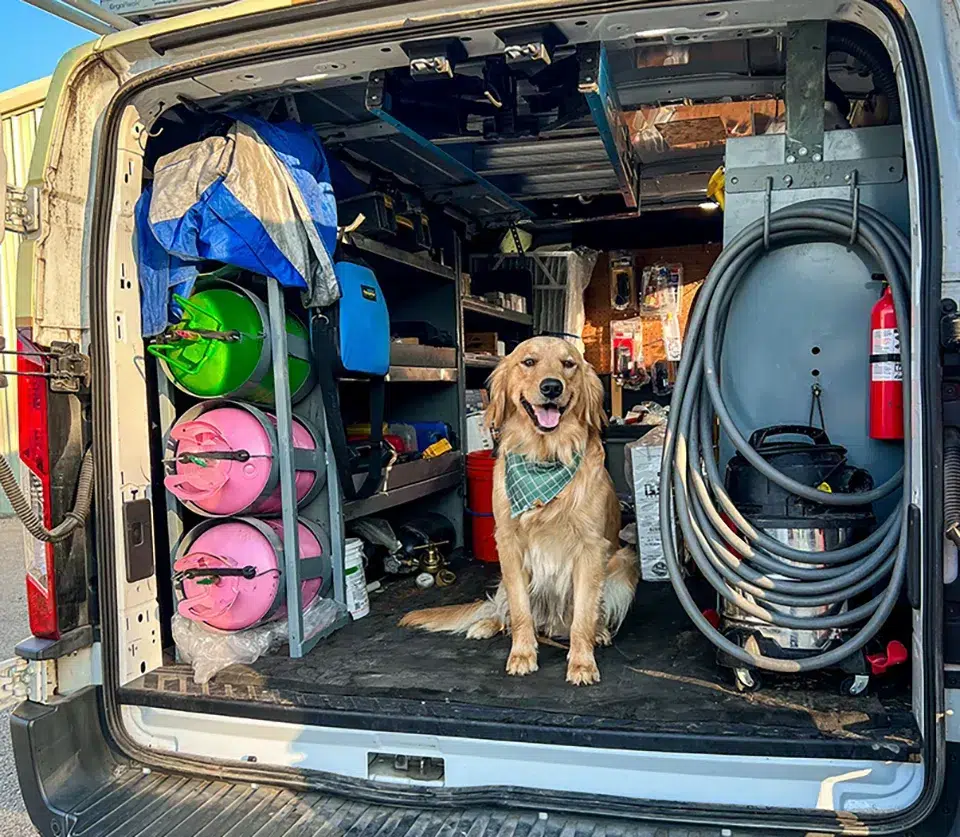
When is the Last Time You Replaced Your Filters?
Most filters should be changed every 1 to 3 months, but it’s the first thing homeowners forget. A clogged filter makes your system work harder, drives up energy bills, and shortens equipment life. Stock up and stay ahead of it.
Shop Now






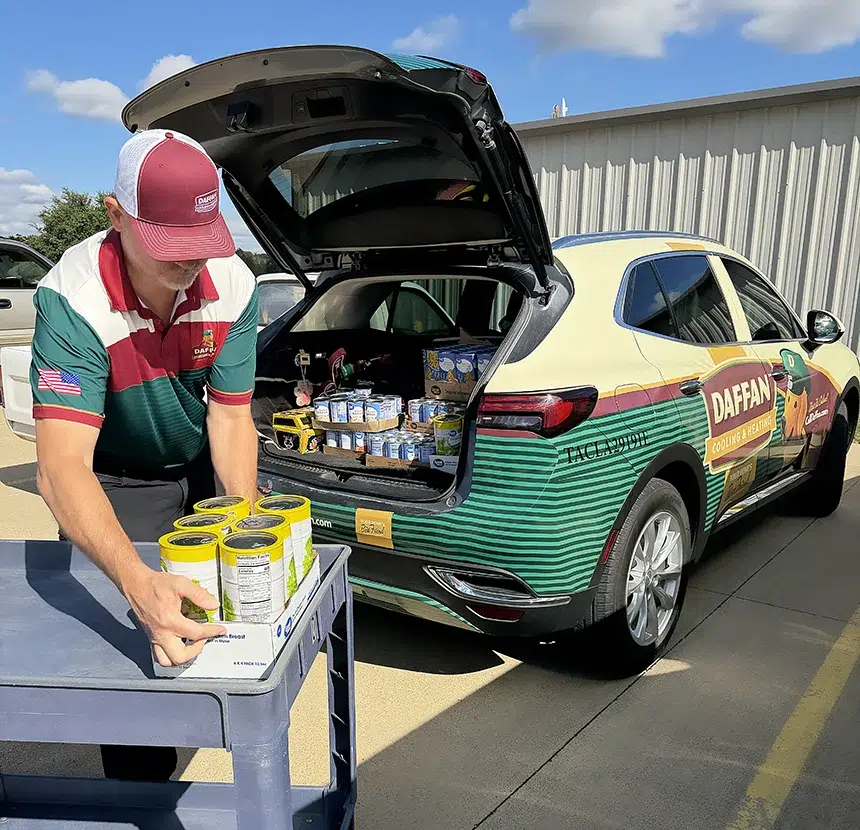

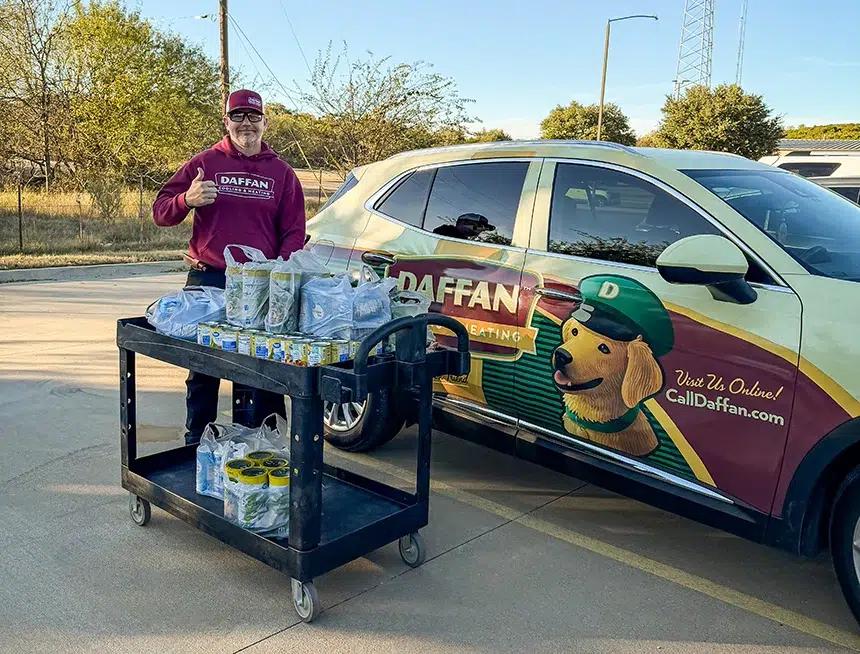
We Show Up for Our Community (and for Each Other)
Being part of this community means more than running service calls across Hood County. It means showing up for the parade, investing in our team, and genuinely caring about what happens in this town. The people who represent Daffan out in the field are the same ones celebrating together, growing together, and looking out for each other off the clock. Community starts from the inside out!
Learn More
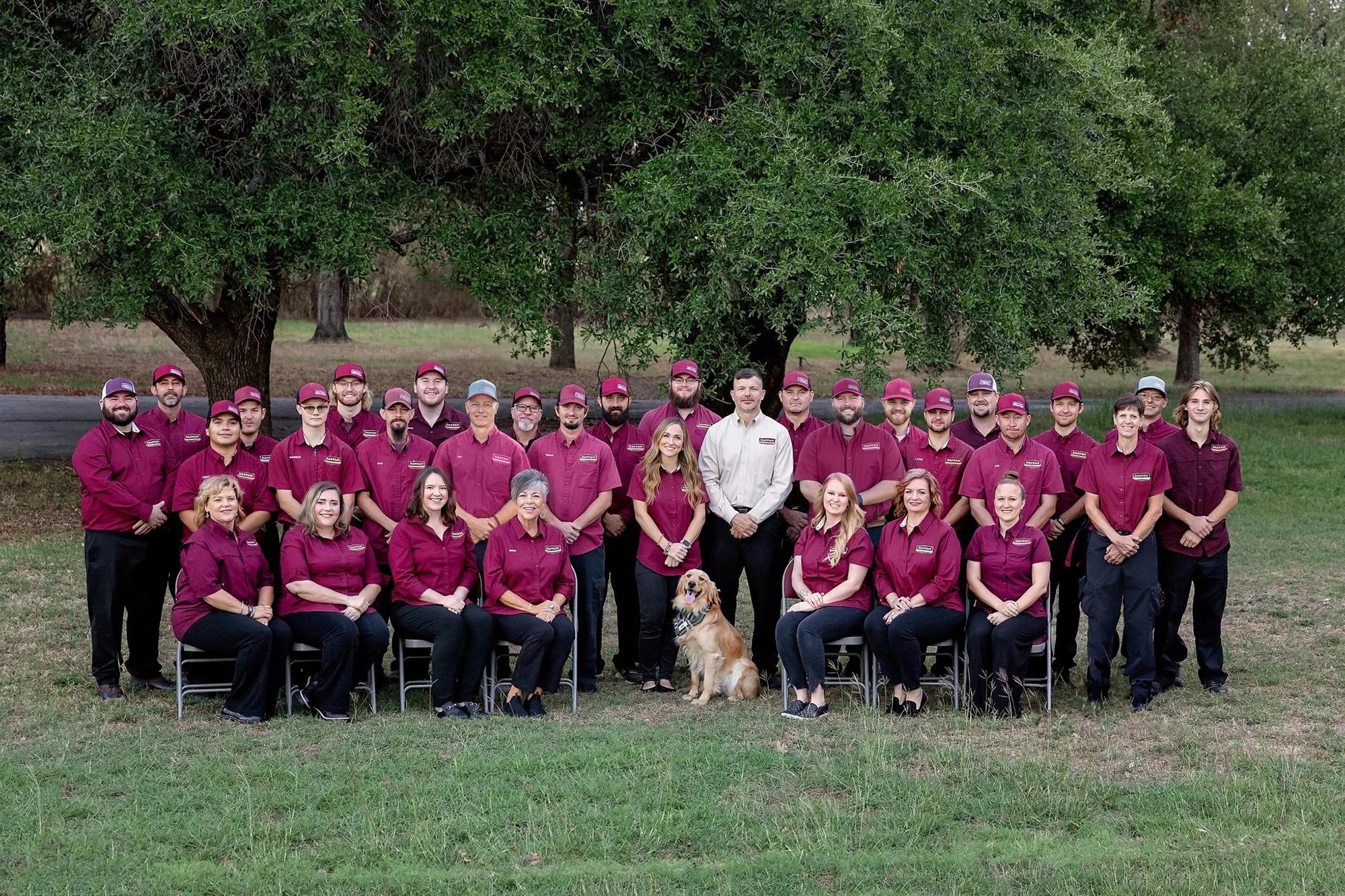
Proudly serving Texas for 25+ years
Your Neighborhood Is Our Neighborhood
We’ve been running calls across Hood County and the surrounding area for over 25 years. Chances are, we already know your street.